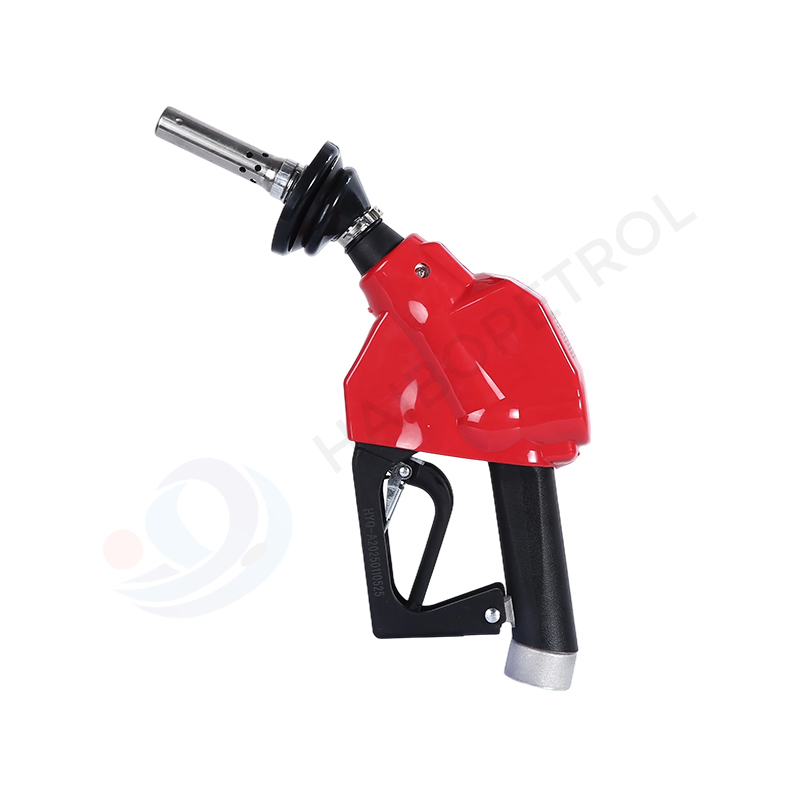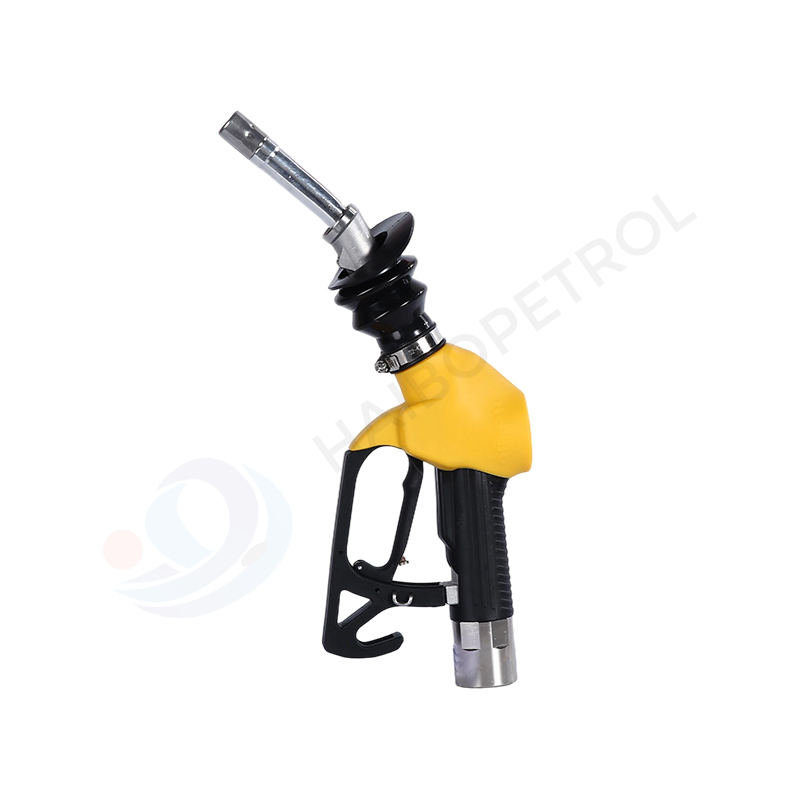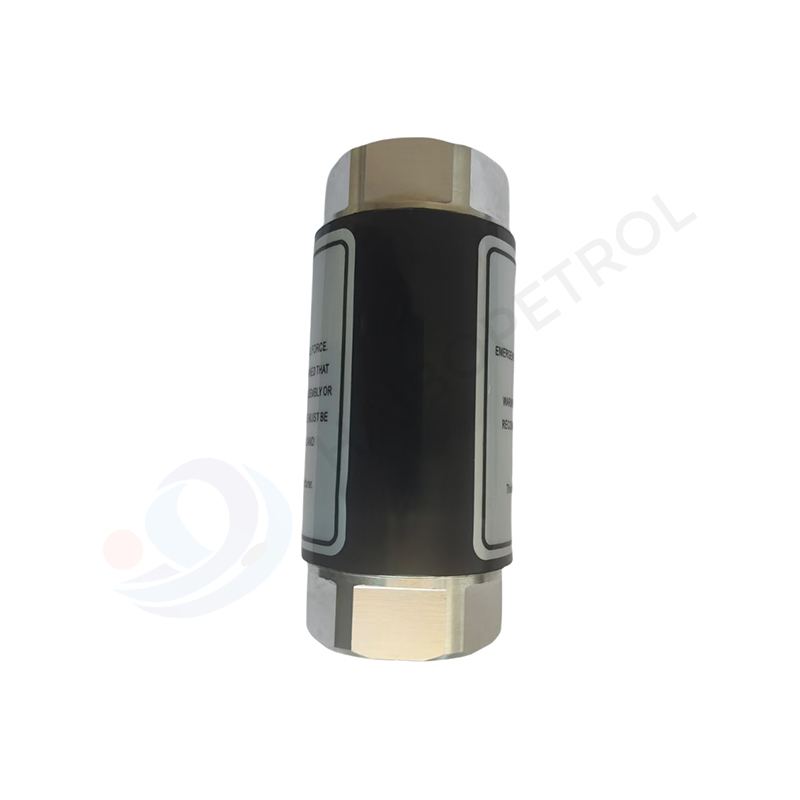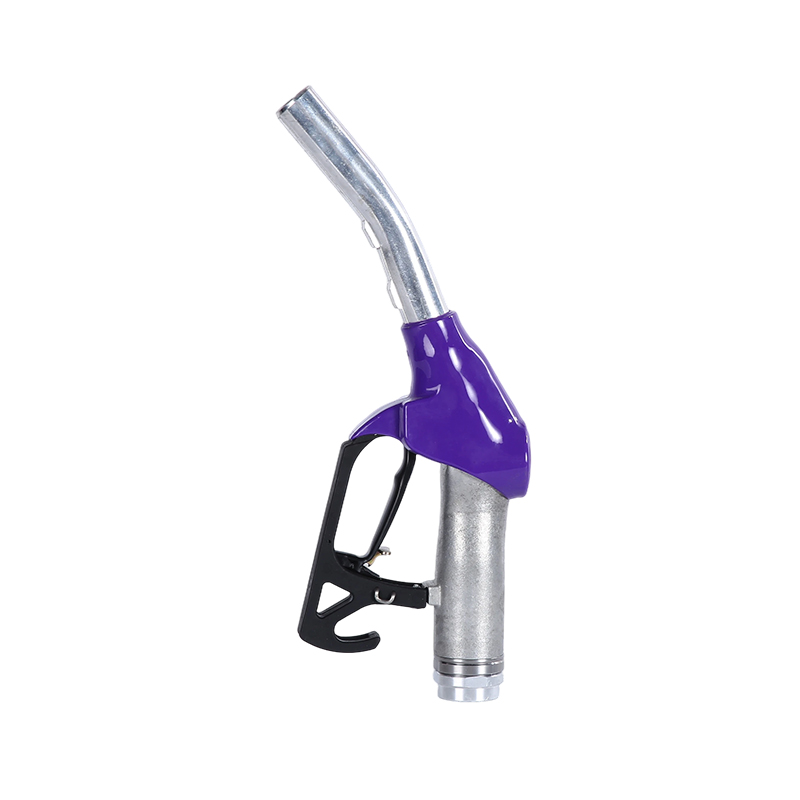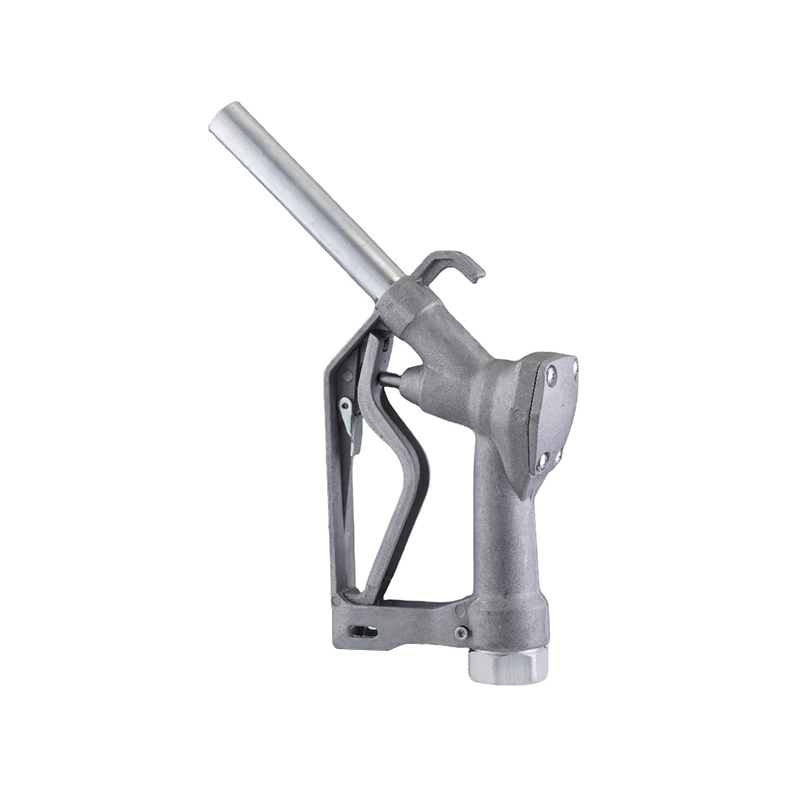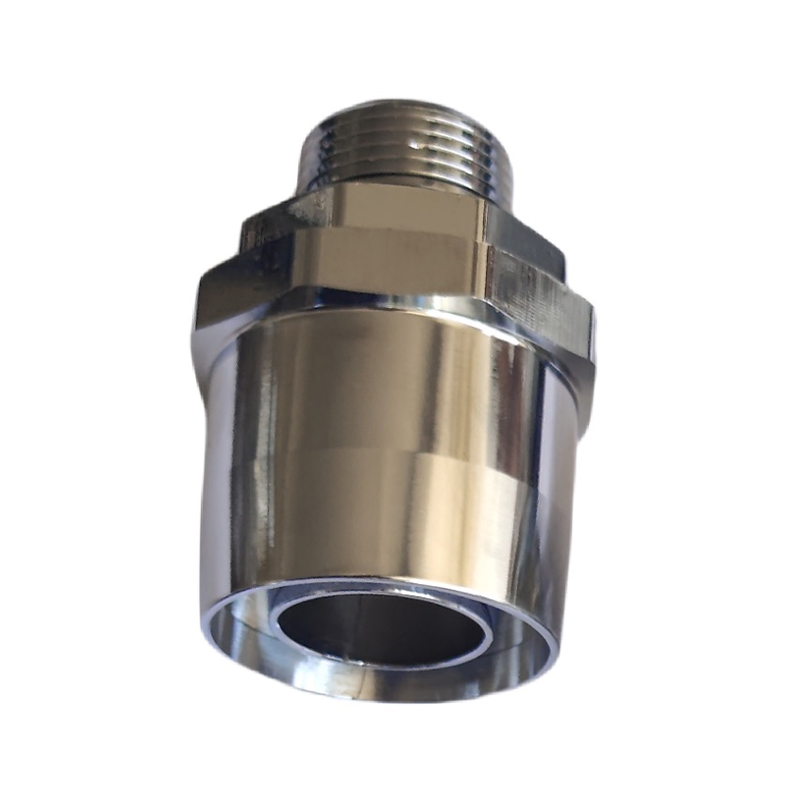
Industrial storage is rarely a one-size-fits-all situation. Materials behave differently from each other, environments swing between extremes, and operating conditions rarely stay perfectly stable for long. In the middle of all that, storage tank parts play a role that's easy to overlook but genuinely central to how the whole system functions — they're what actually connects raw structure to real-world performance, shaping how a tank handles pressure, movement, and everyday use.
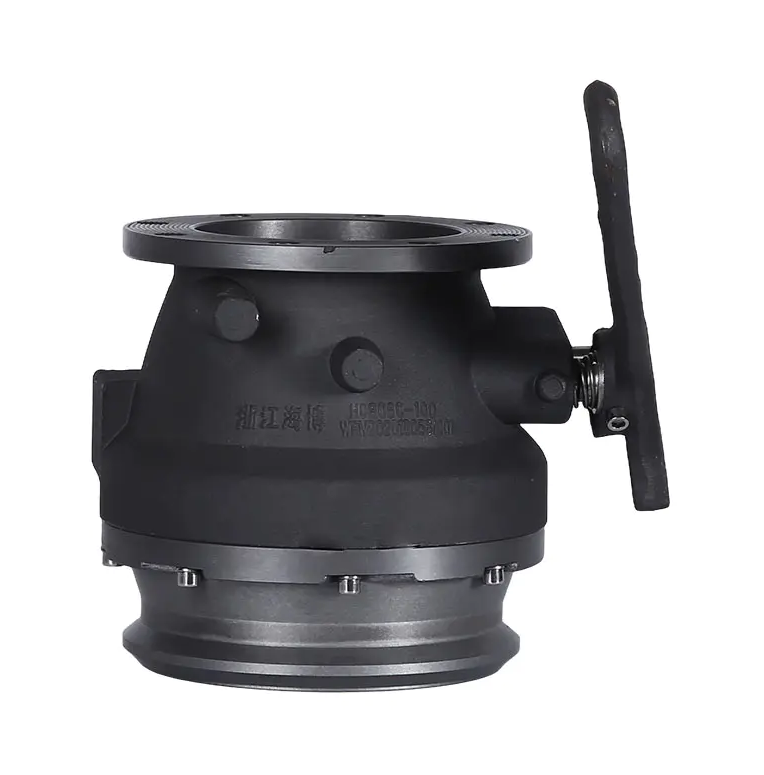
Across a lot of industries, storage systems are expected to flex and adapt. Liquids, powders, and mixed materials each come with their own quirks, and no single tank design can cover all of that ground without real support from carefully chosen components. That's exactly where storage tank parts start to earn their keep.
The real question isn't just whether these parts are necessary — it's whether they can genuinely cover such a wide range of storage needs without turning the whole system into something overly complicated.
A handful of factors shape how storage actually plays out in practice, and each one leaves its mark on both tank design and part performance.
Some of the more common considerations:
Materials just don't all behave the same way. Some stay stable no matter what. Others react to temperature shifts or physical movement in ways that can throw off an entire system if nobody's paying attention.
The environment matters just as much. Indoor storage and outdoor exposure are two completely different worlds — moisture, dust, and swinging temperatures all chip away at part performance differently depending on where a tank actually sits.
Storage duration adds yet another wrinkle. Short-term storage tends to prioritize efficiency, while long-term storage usually leans harder on stability and careful sealing to hold up over months or years.
Given all that variation, It really can't follow one single template. They have to flex with whatever the situation actually demands.
Materials shape design choices in a very direct way. A setup that works perfectly for one material might fall flat with another entirely.
The parts inside a tank system are what actually manage those differences — guiding flow, holding structure together, and keeping handling safe throughout.
Here's a quick look at how that plays out across material types:
| Material Type | Storage Behavior | Role of Tank Parts |
|---|---|---|
| Liquids | Flow easily, may shift during movement | Support controlled flow and sealing |
| Powders | Can settle or compact | Assist with smooth discharge |
| Mixed Materials | Combine different properties | Help maintain balance within the tank |
Each category calls for its own approach. Parts need to be chosen with the actual material in mind — and that doesn't necessarily mean piling on complexity. Sometimes a small adjustment is genuinely all it takes to make a real difference.
Flow control components, for instance, can head off sudden material shifts before they cause problems. Internal supports cut down on uneven pressure building up in one spot. Sealing elements guard against whatever's happening outside the tank walls.
Adaptability just ends up baked into the design process itself, whether it's called out explicitly or not.
Flexibility is what lets a system absorb change without forcing a complete redesign every time something shifts. And in industrial settings, change is basically the norm — new materials show up, storage conditions evolve, requirements get revised mid-project.
A genuinely flexible system doesn't lean on rigid structure alone to get through that. It relies on components that can actually be adjusted or swapped out as needed.
That approach brings some real, practical upside:
Storage tank parts are often exactly what deliver that flexibility. Rather than redesigning an entire tank from scratch, operators can just swap specific components instead.
That keeps the system practical over the long haul, and it supports cost control without sacrificing what the system actually needs to do.
Not every storage system is complicated. Some applications just need basic functionality, full stop. Others involve layered processes running across multiple stages at once.
It show up in both situations — the real difference is in how they're arranged and combined, not in what category of part gets used.
In simpler setups, parts tend to focus on:
In more complex systems, those same categories of parts might handle:
The same broad category of component can serve both ends of that spectrum — its role just expands or contracts based on what the overall design actually calls for.
That scalability is genuinely useful for manufacturers and operators alike, since it lets them reuse familiar components across very different projects instead of chasing an entirely new solution every time requirements shift.
Environment shapes performance in ways that only really show up over time. A tank sitting in a stable, climate-controlled indoor space faces a very different set of challenges than one exposed to the elements outdoors.
It have to respond to those differences directly. The environmental factors worth watching include:
A part that performs beautifully in one setting might need real adjustment before it holds up in another.
Sealing elements, for instance, may need to tolerate real temperature swings without failing. External fittings might need to resist weathering over years of outdoor exposure. Internal components need to stay stable even as conditions around them keep shifting.
None of this necessarily demands a major redesign. Often the fix is as simple as a different material choice or a slightly reworked structural detail.
Paying attention to environment this way genuinely stretches out how long a storage system stays reliable.
Maintenance gets overlooked constantly during initial design, and yet it ends up mattering enormously for how a system performs over the long run.
It shouldn't just perform well while running — they need to allow for genuinely easy inspection and servicing too.
A system that's a pain to maintain creates problems that compound over time. Small issues slip past unnoticed. Repairs drag on longer than they should have to.
Well-designed parts support maintenance in a few concrete ways:
None of this requires anything fancy. It's really just practical thinking baked into the design from the start.
When parts are easy to work with, the entire storage system just ends up more reliable, plain and simple.
Standardization makes production and sourcing a lot simpler. A large chunk of storage tank parts get made in widely used formats specifically so they're easier to find and replace when needed.
But storage needs aren't uniform by nature. Materials, environments, and operational demands all vary too much for a single standard to cover everything.
That's really where the balance between standardization and customization comes in.
Standard parts bring:
Customized parts bring:
A lot of storage systems end up blending both approaches — standard components covering general functions, customized pieces stepping in wherever something more specific is actually needed.
That combination is what supports efficiency and adaptability at the same time, rather than forcing a choice between the two.
Reliability isn't something that shows up overnight — it builds gradually, through consistent performance held together across genuinely changing conditions.
It feed directly into that reliability by keeping operations stable — managing movement, holding structure together, and protecting whatever's actually stored inside.
A handful of factors drive that reliability:
| Factor | Impact on Storage System |
|---|---|
| Material Compatibility | Reduces unexpected reactions |
| Structural Stability | Maintains consistent operation |
| Flow Control | Prevents uneven discharge |
| Sealing Performance | Protects stored materials |
| Maintenance Access | Supports long-term use |
Each one of these ties directly back to how the parts themselves are designed and selected in the first place.
Reliable systems were never built around one standout feature. They come from multiple components genuinely working together, each one covering for the others when conditions get demanding.
Industrial storage keeps shifting under its own momentum. New materials keep entering the picture, operational methods keep evolving, and environmental awareness keeps climbing across the industry as a whole.
Tank Truck Bottom Valve is adapting right alongside all of that. The focus isn't purely on raw performance anymore — usability and flexibility have become just as central to how parts get designed.
That shows up as:
None of this replaces traditional designs outright — it builds on top of them, refining what already worked rather than throwing it out.
As storage needs keep evolving, the value of storage tank parts stays tied to one simple thing: how well they actually hold up in real-world use, across whatever environments and requirements a given operation happens to throw at them.
Quick Links
Product Categories
Contact Us
+86-13695828855
+86-15988773632 -abner lee
+86-13989700818 -Friendship Ge
No. 3, Xinbin Road, Yangwan Industrial Zone, Qiaoxia Town, Yongjia County, Wenzhou City, Zhejiang Province
Get in Touch
 Oil & Gas Refueling Equipment
 English
 中文简体
中文简体
 Español
 Português