 English
 中文简体
中文简体
 Español
 Português
A distribuição de combustível é frequentemente descrita como um simples movimento de um lugar para outro. O combustível sai de uma área de armazenamento e eventualmente chega ao ponto onde é nec...
READ MORE
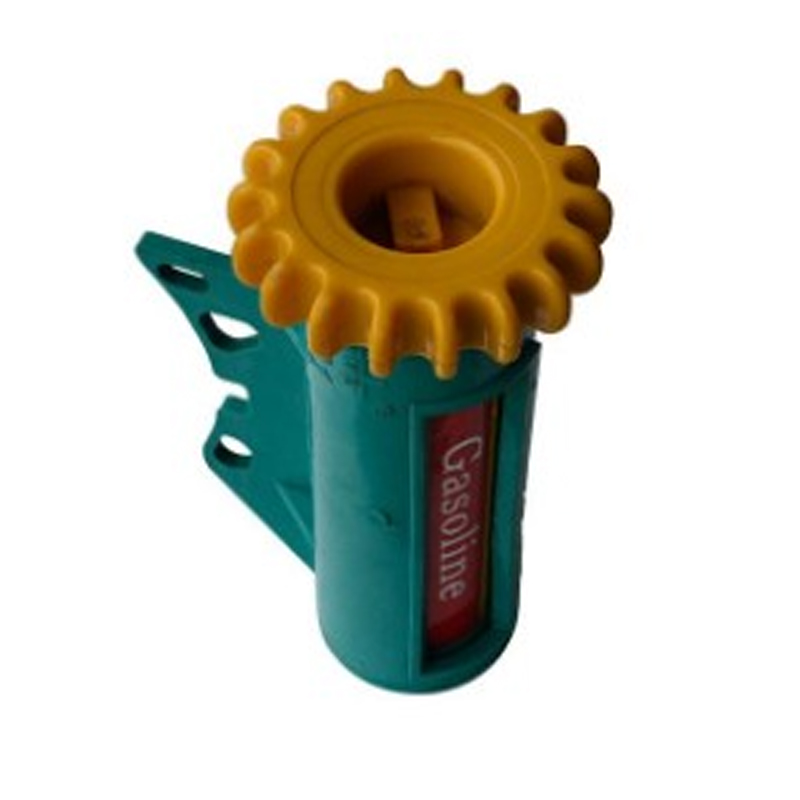


The fuel product identifier is a key accessory for tank trucks, typically installed near the bottom unloading outlet, providing a clear indication of the type of fuel being discharged. This device prevents operational errors that could result in cross-contamination of different fuels, ensuring safe and accurate unloading.
Structure and Working Principle
The identifier features an eight-sided drum, with each side designed to hold labels for different fuel types. Each side of the drum is equipped with a detent, allowing the operator to switch the displayed fuel type smoothly by rotating the adjacent manual ratchet, while keeping the labels securely in place.
The unit is made from lightweight and durable materials, either nylon or aluminum, offering ease of operation while withstanding typical tank truck operating conditions.
Technical Highlights
Material Options: Nylon or Aluminum
Design: Eight-sided drum for multi-fuel labeling
Operation: Manual ratchet rotation with detent mechanism for precise switching
Installation: Near the bottom unloading outlet
Primary Function: Prevent fuel cross-contamination and ensure unloading accuracy
Applications
The fuel product identifier is widely used in:
Tank truck fuel transportation
Fuel depots and storage terminals
Industrial facilities handling multiple fuel types
It ensures accurate operation, enhances safety, and clearly identifies the transported fuel for easy management and traceability.
Key Advantages
Prevents fuel mixing and cross-contamination
Lightweight design for easy handling
Durable construction for long-term use
Supports labeling for up to eight different fuel types
Precision detent ratchet mechanism for smooth and accurate switching
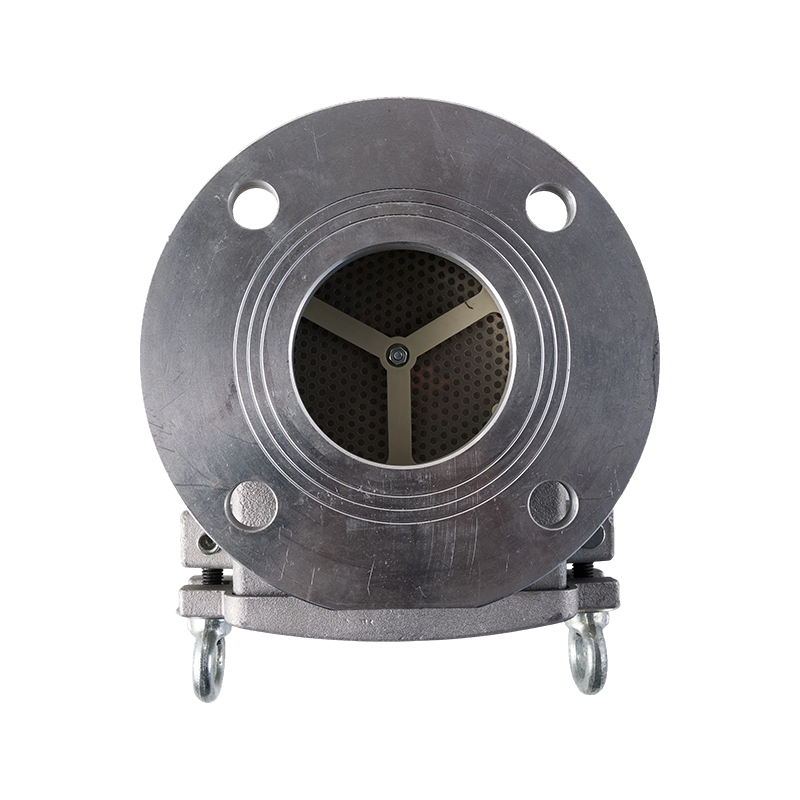
Tank truck pipeline filters are essential components in fuel and liquid transportation systems, designed to remove solid impurities and particles from the medium, protecting pumps and other downstream equipment. These filters ensure smooth operation, extend equipment lifespan, and prevent contamination of transported liquids.
Structure and Working Principle
The pipeline filter is primarily composed of:
Aluminum main body
Filter cartridge
Flange
Filter cap
Fasteners
When the medium (oil, water, or other non-corrosive liquids) enters the filter through the main body, solid impurities and particles are trapped inside the stainless steel filter cartridge, allowing only purified medium to exit through the filter outlet. The stainless steel mesh provides rapid and efficient filtration, ensuring stable flow and protecting pumps and other equipment from damage.
Technical Specifications
Body Material: Cast Aluminum
Filter Mesh: Stainless steel
Gasket: Buna-N and cork rubber
Temperature Range: -20°C to +50°C
Working Pressure: 0.6 MPa
Filter Mesh Options: Multiple mesh sizes available
Flange dimensions can be customized according to user requirements.
Applications
These pipeline filters are widely used in:
Tank trucks and transport vehicles
Fuel depots and storage terminals
Sprinkler trucks and industrial liquid systems
They are suitable for non-corrosive liquid transport systems, ensuring reliable operation of pumps, valves, and other equipment while maintaining fluid cleanliness.
Key Advantages
High-efficiency stainless steel mesh for impurity removal
Durable aluminum body for long-term service
Reusable filter cartridges for cost savings
Protects pumps and downstream equipment from damage
Customizable flange dimensions for flexible installation

A distribuição de combustível é frequentemente descrita como um simples movimento de um lugar para outro. O combustível sai de uma área de armazenamento e eventualmente chega ao ponto onde é nec...
READ MOREUm sistema de distribuição pode parecer simples visto de fora. Um contêiner contém um material. Um tubo o leva adiante. Uma válvula controla o fluxo. Um bocal coloca o material onde ele...
READ MOREA tank truck is easy to recognize, but its construction is more involved than the large metal tank visible from the road. Beneath the outer shell is a coordinated system designed to contain cargo, ...
READ MOREO armazenamento e o manuseio de combustível envolvem mais do que mover combustível líquido de um lugar para outro. O combustível também pode liberar vapores durante o armazenamento, carga, descarga...
READ MOREVehicle refueling is a familiar activity. A driver parks at a fuel station, selects the required fuel, starts the pump, and waits for the tank to fill. Although the process appears simple, fuel handli...
READ MOREWhy is vapor recovery important in fuel handling? Pump gas into your car, and you're actually part of a much bigger vapor management story happening around you. Every time fuel moves — whether it's a ...
READ MOREIndustrial storage is rarely a one-size-fits-all situation. Materials behave differently from each other, environments swing between extremes, and operating conditions rarely stay perfectly stable for...
READ MORE
Quick Links
Product Categories
Contact Us
+86-13989700818 (Whatsapp)
+86-13695828855
No. 3, Xinbin Road, Yangwan Industrial Zone, Qiaoxia Town, Yongjia County, Wenzhou City, Zhejiang Province
Get in Touch
 OEM Tank Truck Spare Parts Factory Supply